We may earn a commission if you buy through our links, at no extra cost to you. Products are selected for usefulness, not commission rate.
A practical home DIY kit starts with five capabilities: measuring accurately, driving common screws, gripping and turning fittings, drilling suitable materials, and keeping the basics organized. You do not need the largest set or the most powerful tool. You need tools that fit your usual jobs, feel controllable, and can be stored safely.
This guide focuses on everyday furniture assembly, hanging, adjustments, and light maintenance. Stop when a task involves live electricity, gas, structural work, pressurized plumbing, or any repair beyond your training. Use the correct protective equipment and follow the tool and material manufacturers’ instructions.
Five essential handyman tools at a glance
| Tool | Typical jobs | Choose by | Useful Sundoa link |
|---|---|---|---|
| Tape measure or distance meter | Furniture placement, shelves, wall spacing, and material estimates | Readable markings, suitable range, repeatability, and easy controls | Measurement Tools |
| Ratchet screwdriver and bits | Furniture assembly, hardware adjustments, and small repairs | Common bit sizes, secure bit retention, grip, and access in tight spaces | Ratchet screwdriver set |
| Adjustable wrench | Turning nuts, bolts, and suitable household fittings | Jaw capacity, minimal play, handle comfort, and correct fit | Adjustable wrench |
| Cordless drill/driver | Drilling appropriate materials and repetitive screw driving | Chuck type, speed control, battery system, grip, and included accessories | Power Tools |
| Compact tool kit | Keeping frequently used hand tools together | Useful pieces rather than piece count, case layout, and replacement options | Tool Kits |
1. Measuring tools: prevent mistakes before cutting or drilling
Measurement is the first step in most home projects. A tape measure is simple, portable, and useful for short dimensions. A laser distance meter can speed up room and wall measurements, but it should be checked against a known distance before important work. Read from the same reference point each time and record measurements immediately.
Measure twice when a hole, cut, or purchase cannot be reversed. Confirm whether a quoted dimension is internal or external, and allow for doors, trim, cables, handles, and ventilation. Browse Sundoa’s measurement tools by the job and required range rather than by the largest advertised number.
2. Screwdrivers: match the bit to the fastener
A compact screwdriver set handles furniture assembly, cabinet hardware, appliance covers, and many small adjustments. The bit must match the screw head closely. A poor fit can damage the fastener and make removal difficult. Keep pressure in line with the screw and stop if the bit slips repeatedly.
A ratchet screwdriver set can help in confined spaces, while a compact electric screwdriver set may suit repetitive light-duty fastening. Check the current product page for included bits, charging details, and intended use.
3. Adjustable wrench: controlled grip for common fittings
An adjustable wrench covers several nut and bolt sizes without carrying a full combination-wrench set. Set the jaw snugly against the flats of the fastener and pull in a controlled direction. It is not a substitute for a socket, torque wrench, or specialist plumbing tool when a task requires one.
Check jaw capacity and handle length before buying. A smaller wrench may reach confined furniture hardware, while a longer handle offers more leverage and therefore demands more care. This adjustable wrench listing is one current catalog example; verify its available size against the intended fastener.
4. Cordless drill/driver: useful only with the right bit and setting
A drill/driver can drill suitable materials and drive screws more consistently than a manual tool. For household use, control matters more than maximum power. Look for variable speed, a comfortable grip, a chuck that accepts the bits you need, and a battery platform you can maintain.
Identify the wall or workpiece before drilling. Hidden wiring, pipes, hard tile, masonry, metal, and structural elements require different planning, bits, and expertise. Use eye protection, secure loose material, remove the battery before changing accessories when instructed, and never force a stalled bit. Compare the current Power Tools collection only after defining the material and task.
5. A compact tool kit: organize the basics you actually use
A useful starter kit might include screwdrivers or bits, hex keys, pliers, a small hammer, a tape measure, and a storage case. More pieces are not automatically better. Duplicate bits, uncommon sizes, and weak accessories can inflate the count without improving the kit.
Choose a case that keeps each item visible and secure. Replace damaged tools rather than returning them to the case, and keep cutting or pointed items protected. Sundoa’s Tool Kits and broader Hand Tools collections make it easier to compare a complete starter set with individual upgrades.
What should a beginner buy first?
Start with a tape measure, a small screwdriver-and-bit set, an adjustable wrench, and basic safety equipment. Add a drill/driver only when recurring tasks justify it. Buy specialist cutting, grinding, electrical, automotive, or plumbing tools after learning the procedure and the safety requirements for that work.
How to choose tools that last
- Choose the tool type and size for a defined task.
- Prefer a secure grip and controls you can operate comfortably.
- Check that bits, blades, batteries, and replacement parts are available.
- Inspect tools before use and remove damaged items from service.
- Store tools dry, organized, and away from children.
- Use the manufacturer’s instructions and suitable protective equipment.
Frequently asked questions
Do I need both a screwdriver and a drill/driver?
Usually, yes. A manual screwdriver gives better control for delicate or final tightening, while a drill/driver saves time on suitable repetitive work. Do not use extra power where a controlled hand tool is safer.
Is a laser distance meter better than a tape measure?
They solve overlapping but different tasks. A tape measure is dependable for short physical dimensions. A laser meter can speed up longer room measurements but needs a clear target, correct reference setting, and a quick accuracy check.
Should a beginner buy an angle grinder?
Not as a default first tool. Angle grinders can cut or remove material rapidly and require task-specific discs, guarding, protective equipment, and training. Add one only for a defined job after understanding the risks and instructions.
Build the kit around the repairs you genuinely perform. The wider Sundoa Tools collection can help fill a specific gap without turning a starter toolbox into a collection of rarely used equipment.
Related Products
-
 Tool Kits
Electrician Repair Tools Kit – Insulated, 1000V, Chrome Vanadium Steel
Professional electrician tool kit with insulated 1000V bits, magnetic tips & ergonomic handle. Durable Cr-V…
$12.00 View deal -
Sale!
 Power Tools
Cordless Electric Impact Wrench
Transform your DIY game with this Cordless Electric Impact Wrench - achieve professional results effortlessly
Original price was: $60.00.$35.90Current price is: $35.90. View deal -
 Power Tools
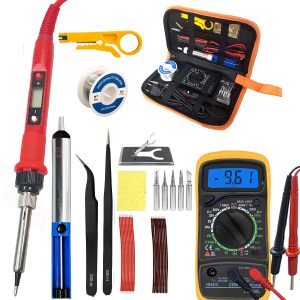
Soldering welding iron tool kit
All in one welding tools - best toolkit for soldering
$10.39 View deal -
 Hand Tools
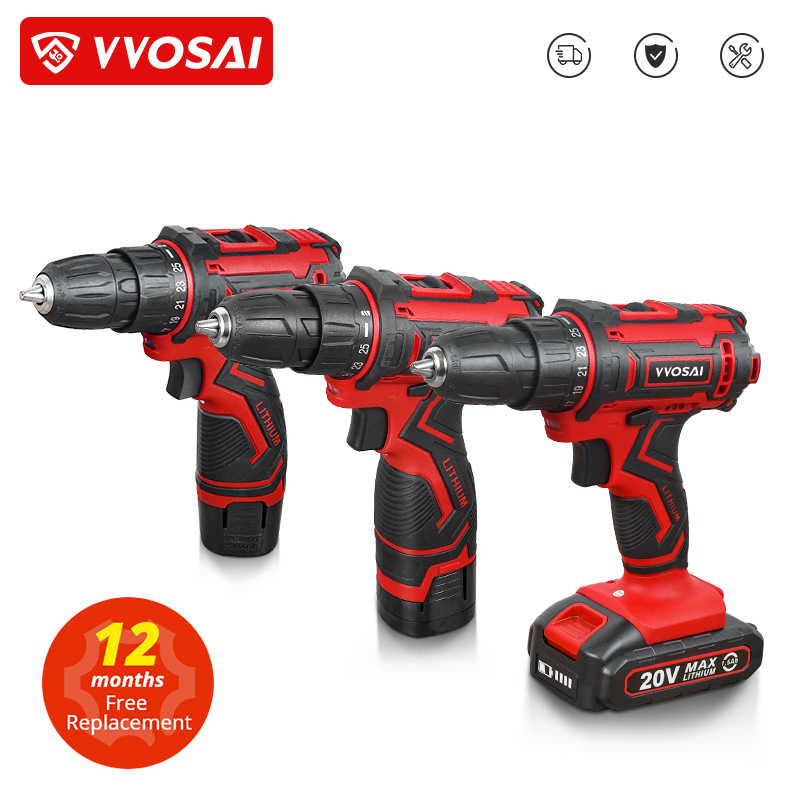
Cordless Drill Electric Screwdriver
Mini Wireless Power Driver Cordless Drill
$39.99 View deal -
 Power Tools
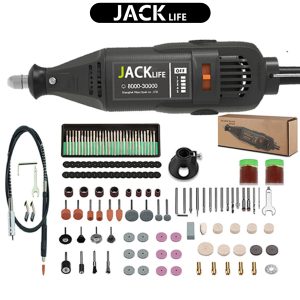
Electric Mini Drill
This electric drill is made of high-quality stainless steel, which is durable and has a…
$9.99 View deal -
 Hand Tools
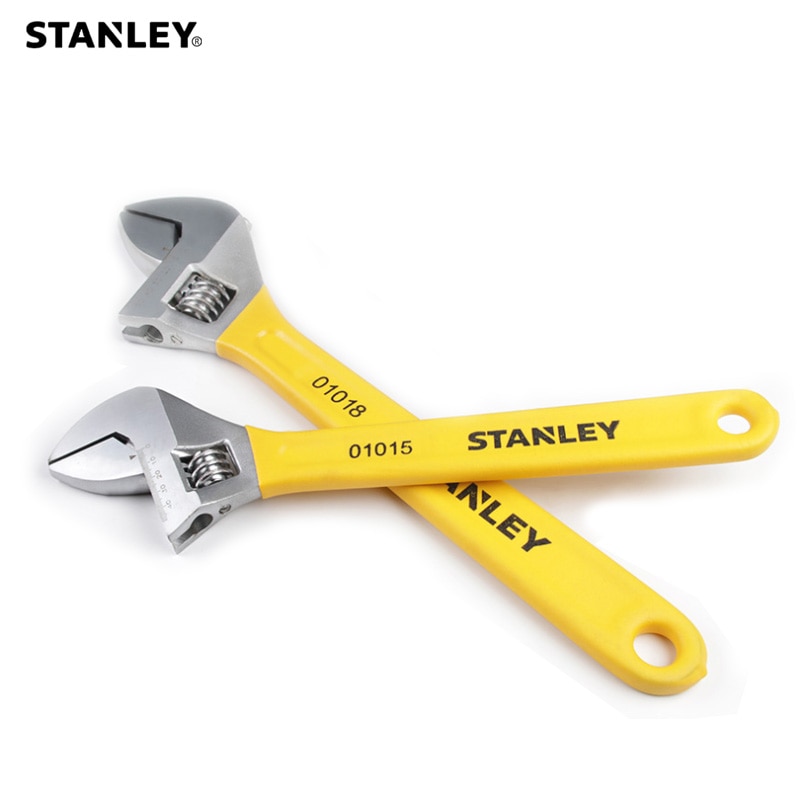
Stanley Adjustable Wrench with Laser Scale
Stanley american brand nut adjustable wrench universal mini small big spanner wrench is an option…
$6.98 View deal -
 Hand Tools
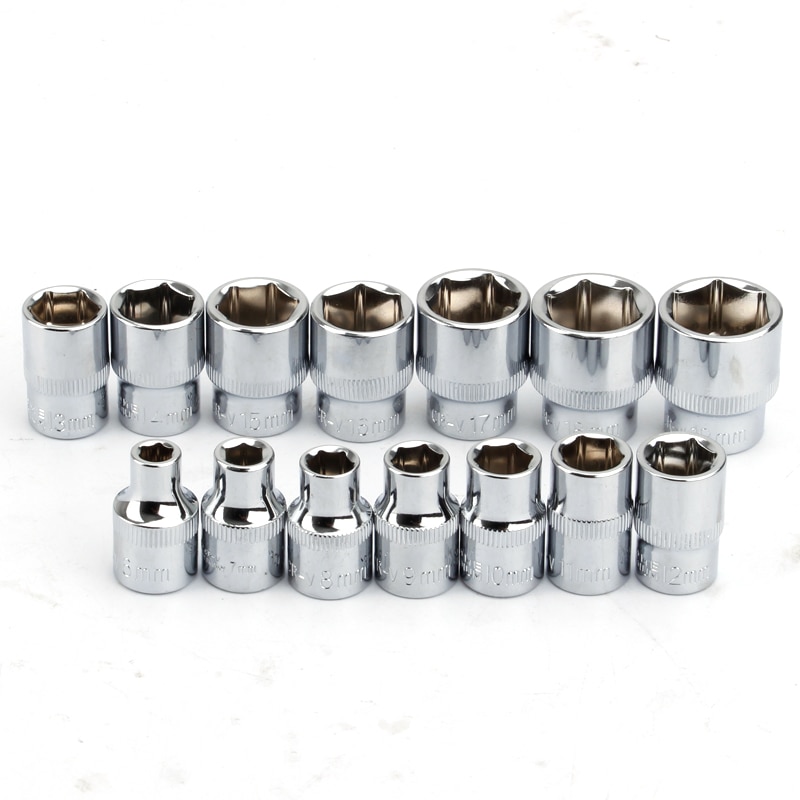
14-Piece 3/8-Inch Drive Metric Socket Set
This 14-piece 3/8-inch drive socket set is designed to cover a recorded range of common…
$12.69 View deal -
Sale!
 Tool Kits
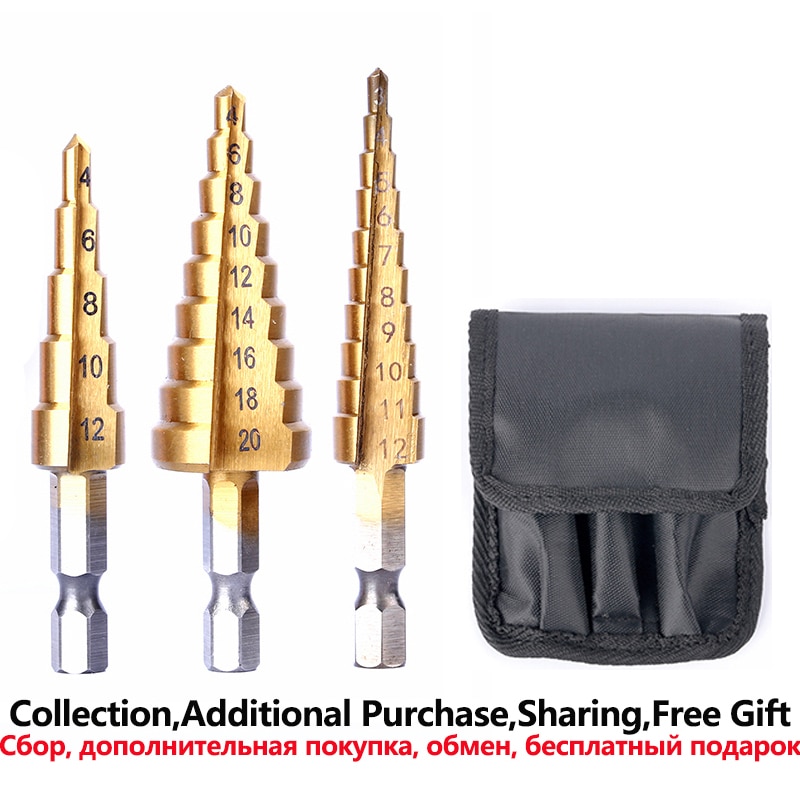
3-Piece Titanium-Coated HSS Step Drill Bit Set
This listing covers 3Pcs 3-12/4-12/4-20 mm HSS Straight Groove Step Drill Bit Titanium Coated Wood…
Original price was: $5.93.$4.50Current price is: $4.50. View deal -
 Power Tools
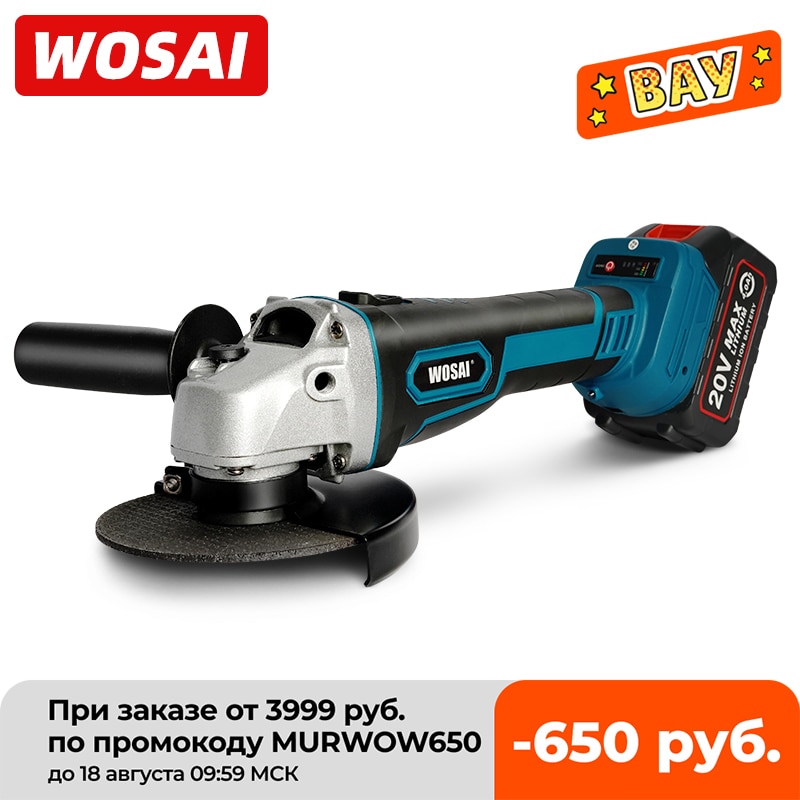
WOSAI M14 Cordless Angle Grinder 20V Lithium-Ion Grinding Machine Cutting Electric Angle Grinder Grinding Brushless Power Tool
This WOSAI M14 20V cordless angle grinder is designed to perform compatible grinding and cutting…
$62.00 View deal